Smarter VoIP Spending: Tools That Support Better Budget Management
March 19, 2026
5 min read

With VoIP expenditure, most businesses only notice a problem when a surprisingly high bill arrives or the account balance disappears faster than expected. This happens because “black box” spending often goes undetected until after the invoice is paid.
Real-world budget management begins when you stop treating your voice setup as a passive expense. By putting specific guardrails in place, you can ensure your resources go toward successful connections instead of being wasted on technical errors or unauthorized usage.
#1
Most standard carriers struggle with the intensity of a modern contact center. When they encounter high CPS or short-duration calls, they often respond with service throttling or hidden surcharges. These “growth penalties” make it difficult to plan spending and can artificially inflate your cost-per-minute.
CommPeak handles these bursts without financial restrictions. By providing uncapped scalability and stable connectivity for high-volume traffic, you avoid being penalized for your operational speed. This ensures your budget goes toward actual talk time rather than overcoming carrier-imposed restrictions.
#2
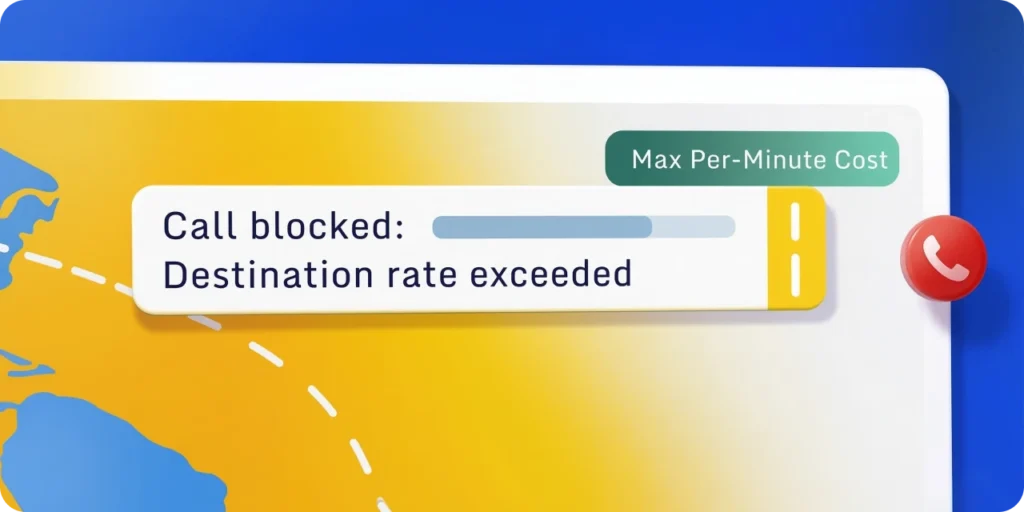
While handling high volume is essential, you also need to ensure that the cost of reaching specific destinations doesn’t exceed your potential return. In global calling, different prefixes and regions carry vastly different price points, making it easy to accidentally dial expensive tiers that don’t fit your intended budget.
Rate Capping serves as your financial safety switch, allowing you to set a maximum per-minute cost for any outbound call. If a destination’s rate exceeds your predefined limit, the call attempt is blocked automatically. This keeps your spending strictly within your planned margins, preventing “bill shock” from high-cost routes or unauthorized dialing.
#3
Budgeting is as much about consistency as it is about cost. When an account balance hits zero unexpectedly, the downtime is often more expensive than the VoIP service itself. Idle agents and missed lead opportunities represent significant operational losses that a monthly bill does not fully capture.
To prevent these disruptions, automated notifications act as a safety net. Low balance emails trigger at a custom threshold, giving you enough time to top up before service is affected. Audio notifications can also alert managers during the call flow when funds are low. These features automate your account oversight and help ensure your budget goes toward active conversations rather than being wasted on preventable service gaps.
#4
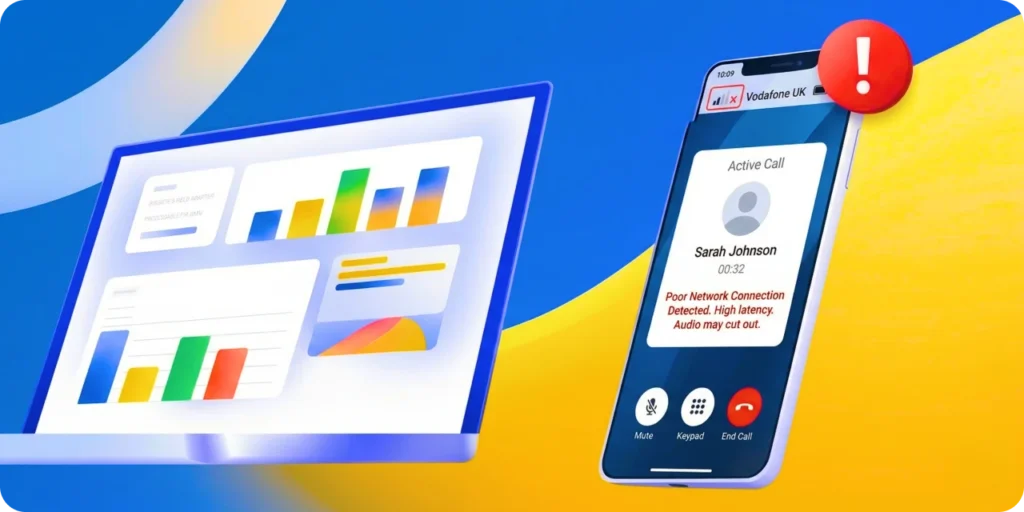
Getting the most out of your voice setup requires looking at why certain calls never connect. When traffic fails to reach a lead due to configuration errors or network issues, you are essentially losing capital to problems that can be avoided. SIP call analysis acts as a diagnostic tool that translates technical data into specific insights, helping you see exactly why those gaps are happening and how to close them.
Rather than guessing why answer rates are low, you can review call logs to distinguish between a lead issue and a technical one. For example, you might discover that a specific set of numbers is incorrectly formatted or that a certain route is consistently congested. Because the tool pinpoints the specific cause, it guides you on whether to fix your routing rules or adjust your dialer settings. This ensures your resources go toward reachable leads rather than being spent on persistent, preventable connection failures.
#5
Effective cost management requires a clear view of your history to help you anticipate future needs. Without visibility into your traffic patterns, knowing which regions are becoming too expensive or which times of day offer the best return is difficult. Operating without this perspective often leads to budget shortages right when your outreach is most active.
Usage analytics provide a high-level overview of your entire voice operation, turning raw call data into a roadmap for future spend. By reviewing historical trends, you can identify high-cost peaks and adjust your strategy before they affect the next billing cycle. This allows you to see where to trim costs and allocate your resources more effectively, keeping your monthly spend in line with your expectations even as your volume scales.
Final Thoughts
When you aren’t stuck investigating why a balance dropped or why calls are failing, you can put that time into the parts of the business that actually need your attention. With the tools that CommPeak provides to manage these sides of the business, you can keep that focus where it belongs. Effective oversight changes the way you run your voice operations. Instead of constantly looking backward at what went wrong, you can focus on scaling your outreach.