Agent Coaching Reinvented: Using AI Insights to Build Highly Prepared Teams
April 12, 2026
4 min read

The traditional model of agent coaching is often reactive and relies heavily on chance. A manager might listen to a random recording from several days ago and find a mistake, but the resulting feedback is often too late to be useful or too generic to be applied.
To build a truly elite team, one must move toward preemptive preparation. By using AI-driven insights via Speech To Text, leaders can move past imagined roleplay and train agents using the most powerful tool available: examples from their own calls.
CONTEXTUAL COACHING
Generic coaching such as “work on your tone” or “be more persuasive” rarely sticks because it lacks context. AI-powered insights change the conversation by allowing managers to train on specific topics rather than vague behaviors.
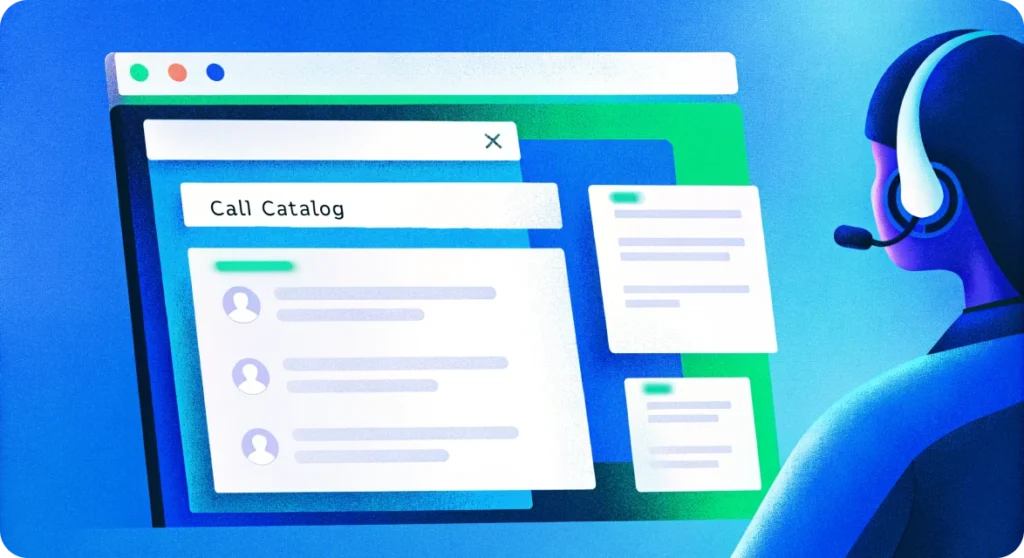
With an entire call catalog that is transcribed and searchable, you can identify when a conversation starts to stall. Instead of a general training session on handling objections, you can build a workshop specifically around how top-performing agents respond when a lead mentions a competitor’s pricing. This level of specificity ensures that training is always relevant to the actual challenges agents face every day.
DITCHING ROLEPLAY
Most training programs rely on imagined scenarios or sanitized roleplay. The difficulty is that customers are not predictable. They interrupt, they get emotional, and they ask questions that aren’t in the manual. AI insights allow you to build a library of real-world interactions.
Use sentiment detection to identify calls with high engagement and positive resolutions.
Let new hires read through transcripts of successful outcomes. Seeing how an experienced agent navigated a high-tension moment in a real conversation is far more valuable than reading a hypothetical script.
FACT-BASED GROWTH
A significant difficulty in coaching is the potential for defensiveness during feedback sessions. When a manager critiques a call based on their own memory or a quick listen, an agent might feel the feedback is subjective or biased. AI-driven Sentiment Detection and Tone Analysis change this dynamic.
Automated sentiment analysis ensures it is no longer the manager’s opinion that a customer became frustrated because the sentiment score provides a factual reference point.
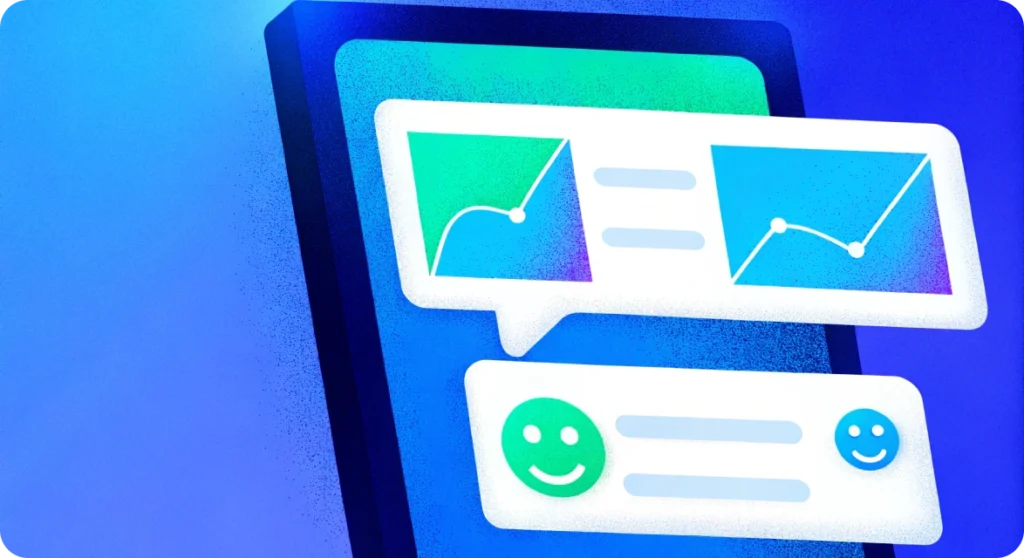
When you look at a transcript together, the conversation centers on why the sentiment score dipped at a specific timestamp. This shifts the focus away from the individual and toward the mechanics of the conversation. With a shared transcript available to both parties, managers can more effectively highlight successful moments. This enables them to provide agents with concrete techniques they can integrate into their next conversation.
PREEMPTIVE TRAINING
The value of AI call analysis is primarily in being preemptive. When managers use searchable transcripts to track specific keywords or unresolved sentiment trends, they can identify themes that appear across many different conversations.
For example, if a new product feature is causing confusion, you don’t have to wait for a monthly review to find out. You can update training materials to reflect these specific questions, ensuring agents are prepared when the topic next comes up in a call. This approach prioritizes readiness for future interactions.
ONGOING LEARNING
Integrating AI analysis into training builds a more consistent coaching model, moving away from disconnected reviews. By basing feedback on real call transcripts and proven outcomes, managers are able to provide their agents with a practical guide that reflects how conversations often play out in real time. This approach ensures that training is always relevant to the challenges agents face and equips them for any conversation.